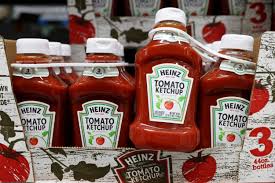
In June 2025, Kraft Heinz announced it would eliminate artificial food dyes, such as Red 40 and Yellow 5, from its U.S. product portfolio by the end of 2027, affecting iconic brands like Jell-O, Kool-Aid, Crystal Light, and Jet-Puffed marshmallows. This decision aligns with growing regulatory and consumer pressure to remove synthetic additives, driven by health concerns and a broader shift toward natural ingredients. The move follows the U.S. Food and Drug Administration’s (FDA) plan to phase out petroleum-based dyes by 2026 and a specific ban on Red Dye No. 3 by 2027 due to its carcinogenic effects in laboratory studies. Additionally, Health and Human Services Secretary Robert F. Kennedy Jr.’s “Make America Healthy Again” agenda has intensified scrutiny on artificial dyes, citing potential links to behavioral issues in children.
Kraft Heinz, a major player in the U.S. packaged food industry, is responding to these pressures proactively, with 90% of its U.S. products already free of synthetic dyes. The company has committed to replacing dyes with natural alternatives, such as beets or turmeric, or removing colors entirely where they are not critical to the consumer experience. However, this transition poses both opportunities and challenges for Kraft Heinz’s future earnings and stock price. While the move could enhance brand perception among health-conscious consumers, it introduces reformulation costs, potential changes in product appeal, and competitive pressures in an already challenging market environment.
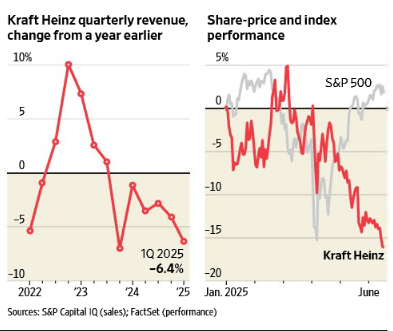
The packaged food industry faces headwinds, including healthier eating trends, the rise of GLP-1 weight-loss drugs, and macroeconomic uncertainty, which have reduced discretionary snack purchases. Kraft Heinz’s stock has already underperformed, declining 16% in 2025 compared to the S&P 500’s 2.6% gain. The dye removal initiative could either bolster its market position by aligning with consumer preferences or exacerbate financial pressures if costs outweigh benefits or consumer reception falters. This article examines the potential financial and stock price implications through five key lenses: reformulation costs, consumer perception, competitive positioning, regulatory impacts, and long-term financial outlook.
The immediate market reaction to the announcement was muted, with Kraft Heinz’s stock ($KHC) dipping 0.16% to $25.75 in pre-market trading on June 17, 2025. However, short-term stock movements may not fully reflect the long-term implications. The decision’s success will hinge on execution, cost management, and consumer response, all of which will influence earnings and investor confidence over the next two years and beyond.
Reformulation Costs and Operational Challenges
Transitioning to natural dyes presents significant operational challenges for Kraft Heinz, primarily due to the complexity and cost of reformulating products. Extracting vibrant colors from natural sources like beets, algae, or purple sweet potatoes is more resource-intensive than using synthetic dyes, which are cheaper and produce consistent, vivid hues. For example, achieving bright red for Kool-Aid or blue for Jell-O may require larger quantities of natural ingredients, increasing production costs. Blues, in particular, are difficult to source naturally in large volumes, potentially necessitating costly innovation or new color development.
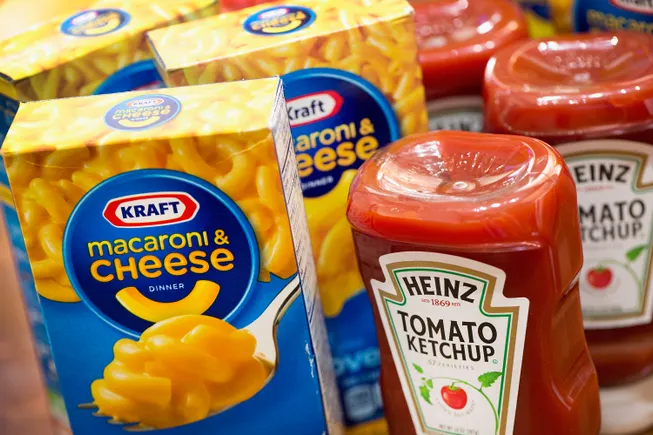
Kraft Heinz has experience with such transitions, having successfully removed artificial colors from its macaroni and cheese in 2016 using turmeric and paprika without compromising its iconic orange hue. However, scaling this across beverage and dessert categories, which represent 10.7% and 4.5% of net sales, respectively, is a larger undertaking. The company’s commitment to not launching new products with synthetic dyes effective immediately suggests a strategic focus on minimizing future reformulation needs, but the existing portfolio requires significant investment.
Cost estimates for reformulation are not publicly detailed, but industry parallels suggest they could be substantial. NPR reports that natural dye extraction is “far more complex” than synthetic dye production, potentially raising production costs by 5-10% for affected products. For Kraft Heinz, with annual revenues of approximately $26 billion, a 5% cost increase on 10% of its portfolio could translate to $130-$260 million in additional expenses over the transition period. These costs may pressure margins, especially as Kraft Heinz has already cut its 2025 sales and profit outlook after six quarters of declining revenue.
Supply chain adjustments also pose risks. Sourcing natural dyes may require new supplier contracts or investments in agricultural partnerships, as seen with other companies reformulating for natural ingredients. Disruptions or shortages could delay implementation, further impacting costs. While Kraft Heinz’s scale as the largest U.S. packaged food company may mitigate some of these challenges through negotiating power, the financial burden could strain short-term earnings, potentially leading to cautious investor sentiment and stock price volatility in 2026-2027.
Consumer Perception and Market Opportunities
The shift to natural dyes could significantly enhance Kraft Heinz’s brand image, particularly among health-conscious consumers and parents concerned about artificial additives. Studies linking synthetic dyes to behavioral issues in children, such as hyperactivity, have fueled public demand for cleaner ingredients, amplified by state bans in California and West Virginia and proposed school nutrition restrictions. Kraft Heinz’s proactive stance—eliminating dyes ahead of the FDA’s 2026 deadline—positions it as a leader in addressing these concerns, potentially boosting consumer loyalty.
Products like Jell-O, Kool-Aid, and Crystal Light rely heavily on vibrant colors for consumer appeal, particularly in the beverage (10.7% of sales) and dessert (4.5% of sales) categories. However, natural dyes may produce less vivid hues, which could alter consumer perceptions of product quality. Kraft Heinz’s experience with macaroni and cheese suggests it can maintain visual appeal, as it retained the bright orange color using natural alternatives. If successful, this could attract new customers, particularly millennials and Gen Z, who prioritize health and sustainability, potentially offsetting declining snack sales amid healthier eating trends.
However, there’s a risk that reformulated products may not resonate with loyal customers accustomed to the iconic bright colors of Kool-Aid or Jell-O. A Washington Post source notes that “eliminating synthetic dyes won’t impact taste or nutritional content,” but subtle color changes could affect purchasing decisions if consumers perceive the products as less appealing. Kraft Heinz plans to remove colors entirely where they aren’t critical or develop new shades if natural replacements are unavailable, which could mitigate this risk but requires careful marketing to maintain brand equity.
Positive consumer sentiment could drive sales growth, particularly if Kraft Heinz markets the change effectively as part of a broader health-focused strategy. Posts on X suggest optimism about the brand image boost, with one user noting it “taps into the health-conscious consumer narrative.” Increased demand could improve revenue in the affected categories, potentially offsetting reformulation costs and supporting earnings growth by 2028. However, any missteps in execution could lead to short-term sales declines, negatively impacting stock price stability.
Competitive Positioning and Industry Trends
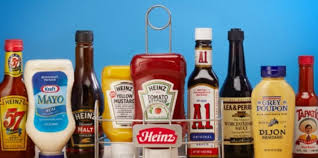
Kraft Heinz’s decision to eliminate artificial dyes aligns with industry-wide shifts, as competitors like PepsiCo and Tyson Foods also commit to natural colors. This move could strengthen Kraft Heinz’s competitive positioning, particularly as the first major U.S. packaged food company to fully commit to removing synthetic dyes. With 90% of its portfolio already dye-free, Kraft Heinz is ahead of many peers, potentially gaining a first-mover advantage in capturing health-conscious market segments.
The packaged food industry is under pressure from healthier eating trends and regulatory changes. States like California and West Virginia have restricted artificial dyes, and proposed school bans on products containing dyes like Red 40 could limit market access for non-compliant brands. Kraft Heinz’s proactive compliance could ensure continued access to these markets, unlike competitors slower to adapt. Additionally, the company’s collaboration with licensees to remove dyes from branded products (e.g., Jell-O candies) could expand its influence across the supply chain.
However, competitors’ similar moves could dilute Kraft Heinz’s advantage. PepsiCo’s commitment to natural colors for snacks like Doritos and Tyson’s minimal exposure to dyes suggest a crowded field of health-focused reformulations. If Kraft Heinz’s natural dye products are less vibrant or more expensive, it risks losing price-sensitive customers to private labels or competitors with lower-cost natural alternatives. The industry’s shift to natural dyes, supported by the FDA’s approval of three new natural colorants, may normalize these changes, reducing differentiation unless Kraft Heinz innovates uniquely.
The competitive landscape also includes macroeconomic challenges. Kraft Heinz, General Mills, and WK Kellogg face declining snack sales due to GLP-1 drug usage and economic uncertainty. A successful dye removal could position Kraft Heinz as a healthier option, potentially stabilizing sales in its beverage and dessert segments. However, failure to match competitors’ pricing or visual appeal could erode market share, pressuring earnings and stock price. Investors may view Kraft Heinz’s early commitment positively, but sustained stock price growth will depend on maintaining cost competitiveness and brand loyalty through 2027.
Long-Term Financial Outlook and Stock Price Implications
Kraft Heinz’s long-term financial outlook depends on balancing reformulation costs with potential revenue gains from enhanced brand perception. The company’s stock has faced challenges, down 16% in 2025, reflecting broader industry struggles and six consecutive quarters of revenue declines. The dye removal initiative, while costly in the short term, could drive earnings growth by 2028 if it captures health-conscious consumers and maintains market share. However, several factors will shape this outcome.
First, reformulation costs could pressure margins through 2027. Assuming a $130-$260 million cost impact (5-10% increase on 10% of the portfolio), Kraft Heinz’s operating margin, already strained at around 20%, may contract temporarily. Offsetting this, sales growth in beverage and dessert categories could occur if consumers embrace the healthier branding. These categories, while only 15.2% of net sales, are high-margin, and a 2-3% sales increase could add $50-$75 million annually to revenue, partially mitigating costs.
Second, regulatory compliance reduces future risks. The FDA’s 2026 deadline and state bans (e.g., California’s Red 3 ban) mean non-compliance could limit market access or incur penalties. Kraft Heinz’s early action ensures continuity, potentially stabilizing earnings compared to competitors facing last-minute reformulations. Additionally, its scale and prior experience (e.g., macaroni and cheese reformulation) suggest it can manage the transition efficiently.
Stock price implications hinge on investor confidence. The muted 0.16% pre-market dip on June 17, 2025, suggests initial skepticism, possibly due to cost concerns. However, X posts indicate some optimism, with analysts viewing the move as “bullish for brand image.” If Kraft Heinz executes the transition smoothly, maintaining product appeal and controlling costs, its stock could recover, potentially reaching $28-$30 by 2028, assuming a forward P/E ratio of 12-14, consistent with industry averages. Conversely, if reformulation delays or consumer backlash occur, the stock could face further pressure, potentially lingering below $25.
In conclusion, Kraft Heinz’s dye removal initiative is a strategic response to regulatory and consumer trends, with potential to enhance long-term earnings through improved brand perception and market access. However, short-term costs and execution risks could weigh on earnings and stock price through 2027. Investors should monitor reformulation progress, consumer response, and competitive dynamics to gauge the initiative’s ultimate impact.