The first quarter of 2025 has revealed a striking divergence in the discount retail sector, with dollar store chains surging ahead while traditional drugstores and party supply retailers struggle to maintain momentum. According to Morgan Stanley Research data, the performance gap between the strongest and weakest players has widened to nearly $1.5 billion in year-over-year sales changes, signaling a fundamental shift in consumer shopping behaviors and retail strategies.
The Dollar Store Dominance
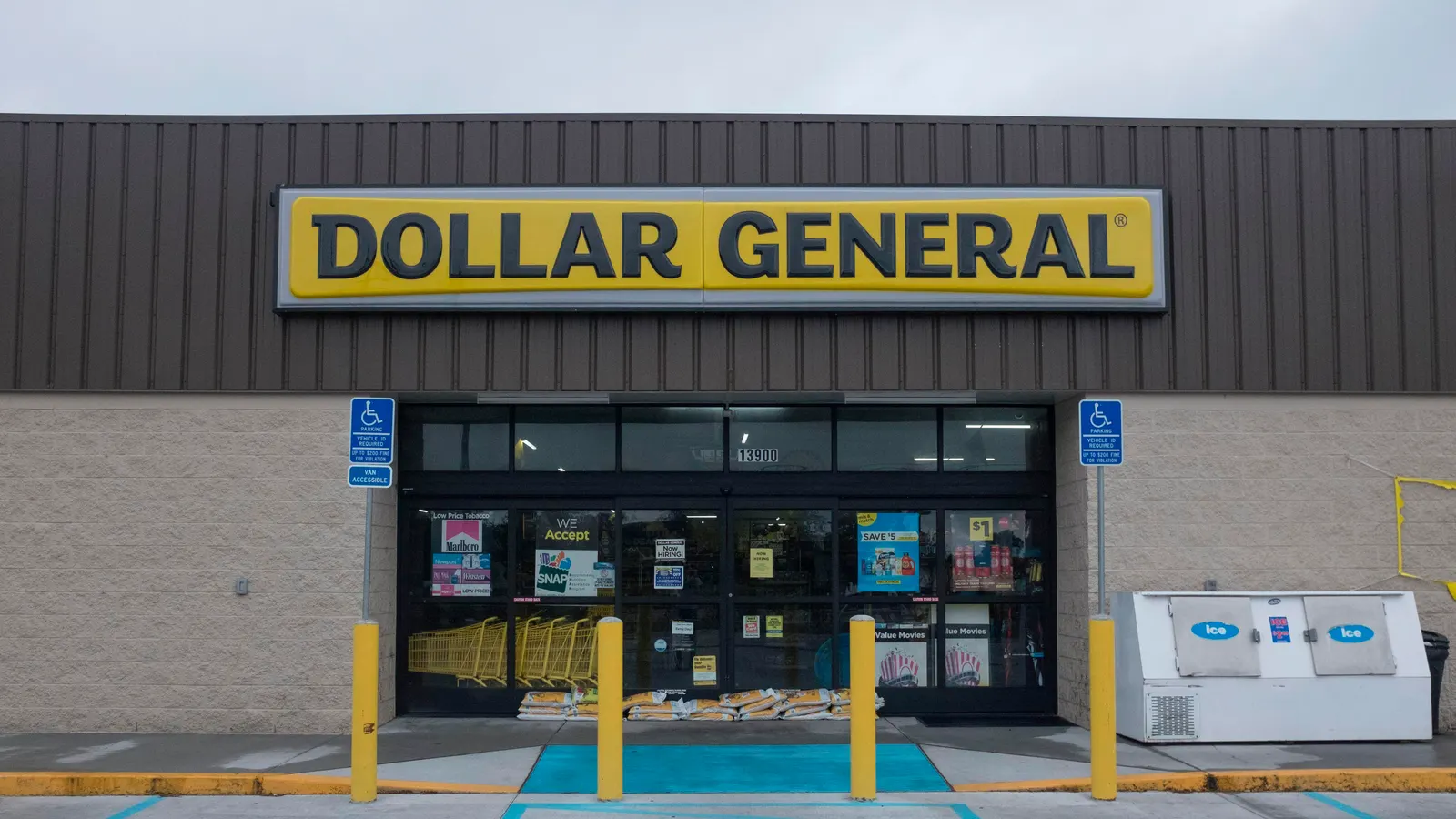
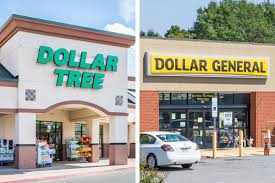
Leading the pack with remarkable growth, Dollar General posted an impressive gain of approximately $0.5 billion in sales compared to the first quarter of 2024. Close behind, Dollar Tree recorded nearly $0.4 billion in growth, demonstrating the continued appeal of deep-discount retailers in an uncertain economic environment. These figures are particularly notable given that both companies’ first quarters ended in early May, providing a comprehensive view of consumer spending patterns through the critical post-holiday and early spring period.
The success of these dollar store giants reflects several converging trends. First, persistent inflation concerns continue to drive consumers toward value-oriented shopping destinations. Even as inflation rates have moderated from their 2022-2023 peaks, household budgets remain stretched, particularly for lower and middle-income families. Dollar stores have capitalized on this dynamic by expanding their food and consumables offerings, transforming from novelty destinations into legitimate grocery alternatives for budget-conscious shoppers.
Second, Dollar General and Dollar Tree have aggressively expanded their physical footprints, particularly in rural and underserved urban areas where traditional supermarkets have retreated. This strategic positioning has allowed them to capture market share not just from other discount retailers, but from conventional grocery stores and pharmacies as well. Their smaller store formats enable rapid deployment and lower operating costs, creating a sustainable competitive advantage in an era where retail real estate costs continue to climb.
The Middle Ground: Pharmacy Chains Under Pressure
The middle tier of performance reveals a concerning trend for traditional pharmacy chains. Rite Aid, CVS, and Walgreens all posted negative comparable sales growth in the first quarter, with losses ranging from approximately $0.1 billion to $0.3 billion year-over-year. This triumvirate of declining performance underscores the structural challenges facing drugstore retailers in the modern marketplace.
Pharmacy chains face pressure from multiple directions. Online retailers, particularly Amazon, have made significant inroads into over-the-counter medication and personal care products, categories that once served as reliable traffic drivers for drugstores. Meanwhile, the prescription medication business, historically the anchor of drugstore profitability, faces margin compression due to reimbursement pressures from pharmacy benefit managers and increasing competition from mail-order pharmacies.
Walgreens’ performance is particularly noteworthy, showing a decline of approximately $0.3 billion. The company has been in the midst of a strategic transformation, closing underperforming locations and attempting to pivot toward healthcare services. However, these results suggest the transition remains challenging, with store closures impacting revenue faster than new initiatives can generate growth.
CVS, with a slightly better performance showing roughly $0.2 billion in losses, has attempted to differentiate through its integrated healthcare model, combining pharmacy services with its Aetna insurance business and MinuteClinic walk-in care centers. Yet even this vertical integration hasn’t insulated the company from the broader headwinds affecting the drugstore sector.
Rite Aid’s approximately $0.1 billion decline comes as the company continues to navigate its bankruptcy restructuring. Having filed for Chapter 11 protection in late 2023, Rite Aid is in the process of closing hundreds of stores and renegotiating leases. The relatively modest sales decline may actually represent a successful managed contraction as the company works to emerge as a smaller but more viable enterprise.
The Struggling Specialty Retailers
Party City and Temu: Different Challenges, Similar Outcomes
At the lower end of the performance spectrum, Party City and Temu each recorded sales declines of approximately $0.2 billion compared to the first quarter of 2024. While these two retailers operate in vastly different spaces, their struggles illuminate important trends about consumer discretionary spending and competitive dynamics.
Party City, once the dominant player in party supplies and seasonal decorations, has found itself increasingly squeezed between online competitors and mass merchants like Walmart and Target, who have expanded their party supply offerings. The company’s decline reflects the broader challenges facing specialty retailers in an era where consumers prefer one-stop shopping experiences. Why make a separate trip to Party City when you can pick up balloons, decorations, and party favors during your regular grocery run?
The occasion-based nature of Party City’s business model also makes it particularly vulnerable to changes in consumer celebration patterns. Post-pandemic, many consumers have scaled back elaborate parties and celebrations, whether due to budget constraints or shifting social preferences. The rise of more intimate, DIY-focused gatherings has reduced demand for the type of elaborate party packages that were once Party City’s bread and butter.
Temu’s inclusion in this analysis is particularly intriguing, as the Chinese e-commerce platform represents an entirely different retail model. Temu’s strategy of ultra-low prices on direct-from-manufacturer goods has disrupted traditional discount retail, yet its sales decline suggests the platform may be hitting saturation or facing increased scrutiny from consumers concerned about product quality and shipping times. Regulatory pressures and potential tariff implications may also be weighing on consumer enthusiasm for the platform.
Big Lots: The Biggest Loser
The most dramatic underperformer in the first quarter was Big Lots, which saw sales plummet by nearly $0.5 billion compared to the prior year. This stunning decline, roughly equivalent in magnitude to Dollar General’s gains, represents an existential crisis for the closeout retailer.
Big Lots has long occupied an awkward position in the retail ecosystem, attempting to offer discount prices on a constantly changing assortment of closeout merchandise and furniture. However, this treasure-hunt model has become increasingly difficult to execute as manufacturers have tightened supply chains and become more sophisticated about managing excess inventory.
The furniture category, traditionally a key traffic driver and profit center for Big Lots, has been particularly challenging. After a pandemic-era boom fueled by home nesting and remote work setup needs, furniture demand has cooled considerably. Higher interest rates have dampened home purchases, which typically drive furniture buying. Additionally, consumers have pulled back on big-ticket discretionary purchases, making them less likely to browse Big Lots’ furniture showrooms.
Perhaps most critically, Big Lots has struggled to articulate a clear value proposition that distinguishes it from competitors. Dollar stores offer extreme value on everyday essentials. Target and Walmart provide broader selection and convenience. Online retailers offer price transparency and home delivery. Big Lots’ treasure-hunt experience, once a draw, now feels more like a frustrating inconvenience to time-pressed consumers who increasingly know exactly what they want before they shop.
The company has attempted various turnaround strategies, including store remodels, private label brand development, and enhanced digital capabilities. However, the first quarter results suggest these initiatives haven’t gained meaningful traction. With a sales decline of this magnitude, questions about long-term viability inevitably arise, particularly given the capital-intensive nature of running a store fleet and the company’s existing debt load.
Understanding the Broader Context
Economic Factors Driving Performance Divergence
The stark performance differences revealed in the first quarter data don’t occur in a vacuum. Several macroeconomic factors help explain why dollar stores are thriving while other discount retailers struggle.
Consumer confidence remains fragile despite relatively positive macroeconomic indicators. While unemployment has remained low and wages have grown, the psychological impact of several years of elevated inflation continues to influence shopping behaviors. Consumers have become more price-sensitive and value-focused, even when they have the financial capacity to spend more freely. This “frugality mindset” disproportionately benefits retailers positioned at the lowest price points.
Interest rates, while expected to decline throughout 2025, remained elevated during the first quarter, continuing to impact consumer purchasing power. Higher rates increase the cost of consumer debt and make big-ticket purchases less affordable, which particularly hurts retailers like Big Lots and Party City that depend on occasional larger transactions rather than frequent small purchases.
Wage growth, while positive, has been uneven across income segments. Lower-income workers have seen some of the strongest percentage gains, which should benefit discount retailers. However, these same consumers face the highest proportional burden from elevated costs in essential categories like food, housing, and transportation. This dynamic pushes them toward the absolute lowest-price retailers, namely dollar stores, while making them less likely to shop at mid-tier discount formats.

The Amazon Effect and E-commerce Maturation
No analysis of retail performance would be complete without acknowledging the ongoing impact of e-commerce, particularly Amazon’s dominance. The first quarter of 2025 represents a mature phase of e-commerce penetration, where online shopping is no longer just for tech-savvy consumers but has become the default for many shopping missions.
Amazon’s expansion into everyday essentials, including groceries through Amazon Fresh and Whole Foods, has made it a direct competitor to almost every retailer in this analysis. The company’s Subscribe & Save program, which offers discounts on regularly purchased items, directly competes with the stock-up missions that once drove traffic to drugstores and discount retailers.
Pharmacy chains have been particularly hard hit by Amazon’s entrance into prescription medication through Amazon Pharmacy. The convenience of home delivery, coupled with transparent pricing and easy insurance integration, has proven attractive to consumers tired of waiting in pharmacy lines. This threatens one of the few remaining competitive moats that drugstores possessed.
Dollar stores, interestingly, have proven somewhat resistant to Amazon’s disruption. Their price points are often so low that adding shipping costs makes online ordering uneconomical, even with Amazon Prime. Additionally, dollar store customers are more likely to be shopping for immediate needs rather than planning ahead, reducing the appeal of delayed delivery. The social aspect of dollar store shopping, the ability to browse and discover unexpected deals, also provides some defense against digital competition.
Store Format and Location Strategy
Physical presence remains crucial in discount retail, but the type and location of that presence matters enormously. The first quarter results highlight how store format and location strategy can determine success or failure.
Dollar General’s small-box format, typically 7,500-9,000 square feet, allows for rapid, low-cost expansion into markets that can’t support larger stores. These locations can operate profitably with relatively modest sales volumes, making them viable in small towns and rural areas. The company has also been strategic about urban expansion, placing stores in neighborhoods where residents may lack reliable transportation to larger retailers.
Dollar Tree’s combination format, which includes both Dollar Tree and Family Dollar banners, provides flexibility in matching store concepts to specific markets. The company has also experimented with larger formats and expanded product assortments, particularly in consumables, allowing it to compete more directly with grocery stores.
In contrast, traditional drugstores operate much larger formats, typically 10,000-15,000 square feet, with higher occupancy costs and staffing requirements. These economics worked when prescription medications and front-end retail both generated healthy margins, but as both businesses face pressure, the format becomes increasingly challenging. Walgreens and CVS have both announced store closure programs, tacitly acknowledging they overexpanded during more favorable market conditions.
Big Lots’ large format, often 30,000 square feet or more, represents the opposite extreme. These warehouse-style stores require significant traffic to generate acceptable sales per square foot. In suburban locations with declining mall traffic, or in markets where consumers have shifted spending online, maintaining these large boxes becomes economically unviable.
Implications and Future Outlook
What This Means for Consumers
The performance divergence in discount retail has direct implications for how and where Americans will shop in the coming years. The success of dollar stores suggests that this format will continue expanding, increasing access to low-priced essentials in underserved communities. This represents a positive development for food access and affordability, particularly in areas where traditional grocers have closed.
However, the dollar store model also raises concerns about product selection and quality. These retailers typically offer limited assortments, smaller package sizes, and fewer national brands compared to traditional grocers or drugstores. Communities that become increasingly dependent on dollar stores may face reduced access to fresh produce, healthier food options, and a full range of household products.
The struggles of pharmacy chains could impact healthcare access, particularly for elderly consumers who rely on in-person pharmacy consultations and the convenience of combining prescription pickups with shopping for other necessities. As stores close, some consumers may face longer travel distances to reach pharmacies, which could affect medication adherence and health outcomes.
For party supplies and seasonal decoration needs, consumers will likely continue shifting toward mass merchants and online retailers. This may result in less specialized expertise and more generic offerings, but the cost savings and convenience will likely outweigh these concerns for most shoppers.
Retailer Strategies: Adapt or Perish
The first quarter results make clear that discount retailers must evolve their strategies to remain relevant. Several approaches show promise:
Omnichannel Integration: Successful retailers will need to seamlessly blend physical and digital experiences. This doesn’t necessarily mean matching Amazon’s delivery speed, but rather using digital tools to enhance store experiences. This includes inventory visibility, mobile checkout, digital coupons, and personalized promotions based on purchase history.
Private Label Development: As national brands become available everywhere, differentiation through exclusive private label products becomes crucial. Dollar stores have invested heavily in proprietary brands, which offer higher margins while still maintaining value positioning. Retailers that can develop trusted private labels in key categories create a reason for consumers to choose their stores over competitors.
Services and Experiences: Pure product retail becomes increasingly commoditized. Successful retailers will add value through services, whether that’s healthcare clinics in drugstores, party planning expertise at party retailers, or treasure-hunt excitement at closeout stores. These experiential elements can’t be easily replicated online and provide differentiation.
Right-Sizing Store Fleets: The era of aggressive expansion has ended for most retailers. Success now requires optimizing store footprints, closing underperforming locations, and investing in the most productive stores. This is painful in the short term but necessary for long-term sustainability.
Investment and Industry Consolidation
The performance spread visible in the first quarter data suggests that the discount retail sector is ripe for consolidation. Struggling retailers like Big Lots and Party City may become acquisition targets, either for competitors seeking market share or for financial buyers who see turnaround potential.
Private equity has shown interest in retail turnarounds, though the track record has been mixed. The challenge is that many struggling retailers face structural rather than operational problems. Better management can improve efficiency, but it can’t overcome a fundamentally flawed business model or an unfavorable competitive position.
Dollar store chains, flush with success, may pursue acquisitions to accelerate growth, though regulatory scrutiny of further consolidation in the dollar store sector could pose obstacles. More likely, these chains will continue organic expansion while potentially adding new store formats or making strategic investments in technology and supply chain capabilities.
The Road Ahead
Looking beyond the first quarter, several factors will influence discount retail performance through the remainder of 2025 and beyond:
Economic Trajectory: If the economy enters recession, dollar stores would likely benefit further as consumers trade down. Conversely, improved economic conditions might help struggling retailers but would also reduce the urgency driving consumers to extreme value formats.
Regulatory Environment: Potential changes in trade policy, tariffs, and labor regulations could significantly impact retailers with different supply chain structures and labor models. Dollar stores’ heavy reliance on imported goods makes them vulnerable to tariff increases, while pharmacy chains’ regulatory burden could increase if healthcare policy shifts.
Technology Disruption: Artificial intelligence, improved logistics, and automation continue to reshape retail operations. Retailers that successfully implement these technologies will gain competitive advantages through lower costs and better customer experiences.
Consumer Preferences: The post-pandemic evolution of consumer behaviors remains ongoing. Preferences for convenience, sustainability, and values-aligned shopping may continue to shift, creating opportunities for retailers that can authentically address these concerns while maintaining value positioning.
Conclusion
The first quarter of 2025 has crystallized trends that have been building throughout the retail sector for years. Dollar stores have emerged as clear winners in the discount retail space, leveraging superior value propositions, strategic locations, and format flexibility. Traditional drugstores face an increasingly difficult path forward, pressured by online competition and business model challenges. Specialty discount retailers like Big Lots and Party City confront existential questions about their relevance in a rapidly evolving marketplace.
For consumers, these shifts will mean more dollar stores in more places, potentially fewer traditional drugstores and specialty retailers, and continued evolution toward omnichannel shopping that blends the best of physical and digital retail. The discount retail landscape of 2030 will likely look significantly different from today, with survivors being those retailers that successfully adapt to changing consumer needs while maintaining operational excellence.
The performance divergence captured in this single quarter’s data tells a broader story about American retail in the 2020s: success requires more than just low prices. It demands the right format, in the right locations, with the right value proposition, executed with operational excellence. Dollar General and Dollar Tree have cracked this code. Others are still searching for the formula, with their futures hanging in the balance.