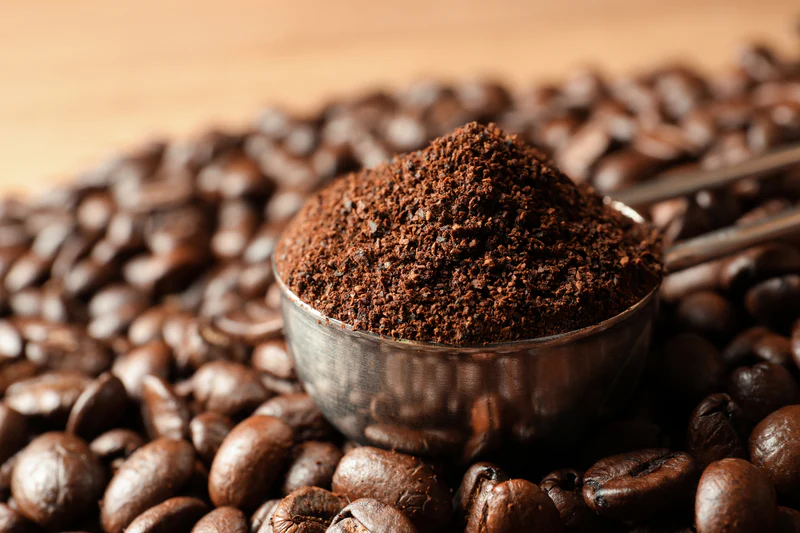
Arabica coffee, one of the most sought-after coffee varieties, recently reached an all-time high in price following President Donald Trump’s threat to impose a 25% tariff and economic sanctions on Colombia, one of the world’s largest coffee exporters. Colombia is the third-largest coffee producer globally, after Brazil and Vietnam, and is the top producer of high-quality Arabica coffee.
Impact on Arabica Coffee Prices Several factors contributed to the record-high price of Arabica coffee following the tariff threats:
- Market Speculation: Investors and traders reacted to the news by buying up coffee futures, driving prices higher.
- Supply Chain Disruptions: Concerns over reduced exports from Colombia led to fears of shortages in global coffee supplies.
- Cost-Push Inflation: The potential tariffs meant increased costs for importers, leading them to pass higher prices onto consumers.
- Currency Fluctuations: The Colombian peso reacted negatively to the threats, impacting export pricing and international trade agreements.
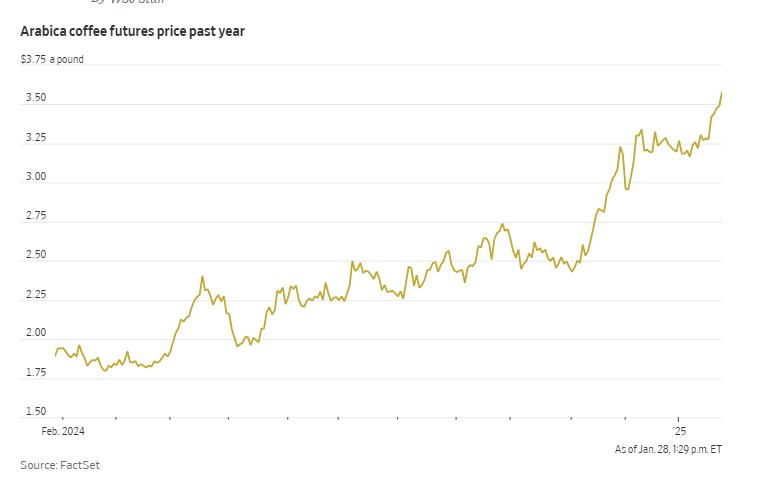
The recent surge in Arabica coffee prices following President Trump’s tariff threats highlights the interconnected nature of global trade and commodity markets. While short-term gains in prices may benefit some producers, the broader economic consequences for Colombia could be severe. U.S. importers and consumers are also likely to feel the effects through higher costs.