The demand for electricity is soaring due to the rise of AI-driven technologies, making energy an increasingly valuable commodity.
AI technologies, particularly machine learning and deep learning models, require massive computational power. These systems rely on advanced hardware, such as graphics processing units (GPUs) and tensor processing units (TPUs), which consume significant amounts of electricity. Data centers hosting AI workloads are expanding rapidly, further increasing global electricity consumption. While the integration of oil companies into the electricity sector presents significant opportunities, there are also challenges to consider. One major concern is the environmental impact of increased energy consumption. If AI’s electricity needs are met primarily through fossil fuels, it could lead to higher carbon emissions, undermining global climate goals.
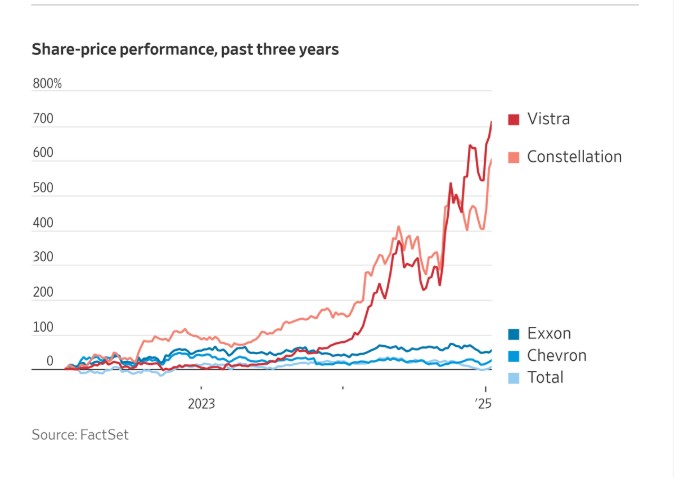
According to estimates, AI-related power consumption is set to rise dramatically in the coming years. Training large AI models can require as much energy as thousands of households consume annually. As a result, electricity has become a critical resource for sustaining AI’s growth, making it a key area of focus for energy companies. Oil companies that successfully adapt to this transformation by investing in renewable energy and power generation will secure a competitive advantage in the emerging energy market.
The Role of Renewable Energy in Meeting AI’s Power Needs
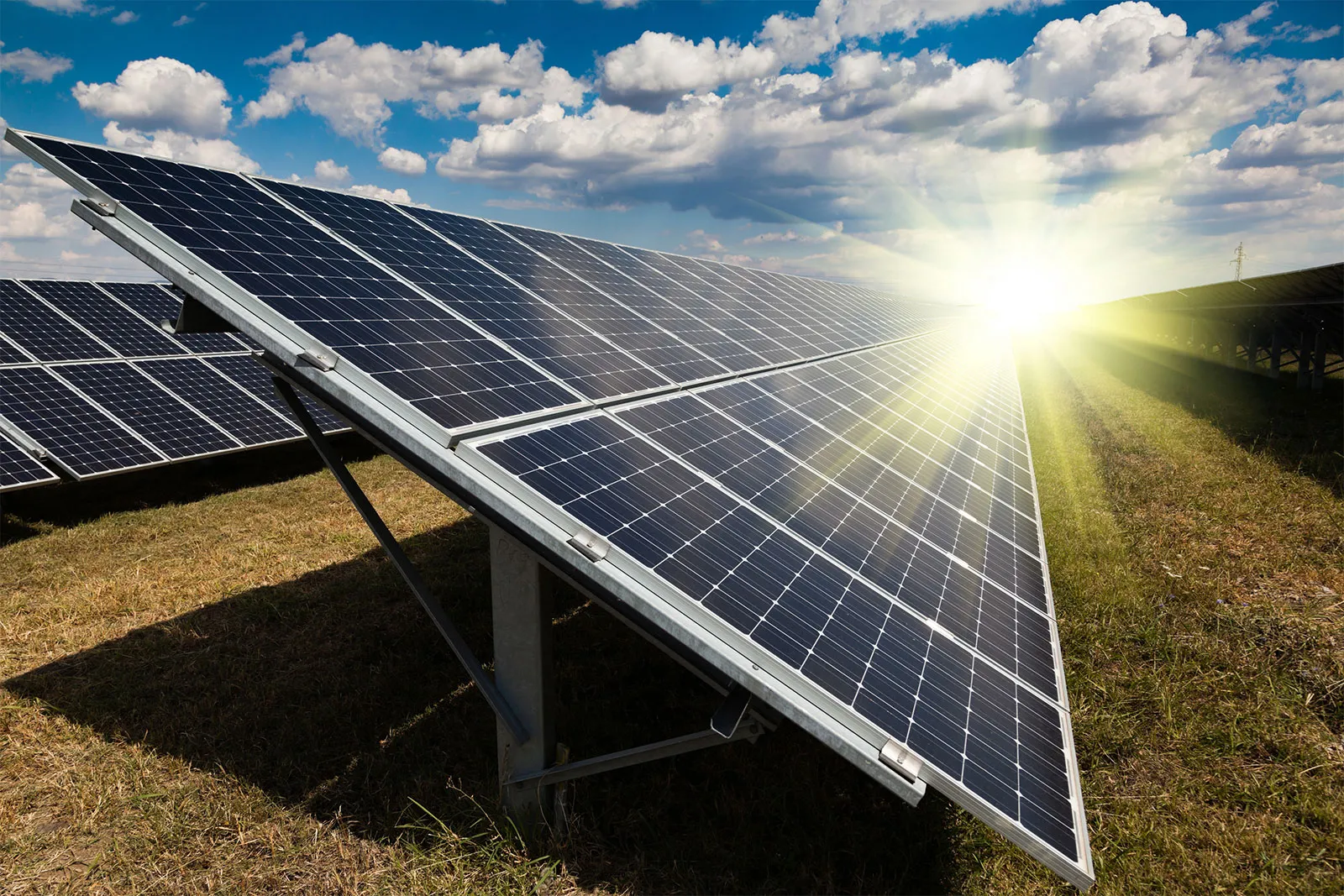
Renewable energy, including solar, wind, and hydroelectric power, is gaining traction as a viable solution for meeting the energy needs of AI infrastructure. Artificial intelligence has turned electricity into a hot commodity, attracting the interest of major oil companies. As AI-driven technologies continue to expand, the demand for reliable and abundant energy will only increase.While challenges such as environmental concerns remain, the shift toward sustainable energy presents a promising path forward. In the coming years, the convergence of AI and energy will shape the future of both industries, creating new opportunities and challenges for global markets.