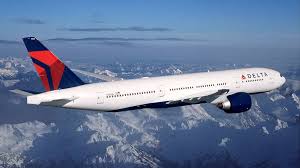
In the second quarter, Delta posted adjusted revenue of nearly $15.51 billion, up 1% from a year ago. Its net income in the three months ended June 30 totaled $2.13 billion, or $3.27 a share, up 63% on the year. That compares with net income of $1.3 billion, or $2.01 a share, in the same period last year. Adjusting for one-time items, its per-share net income was $1.37 billion, or $2.10 a share.
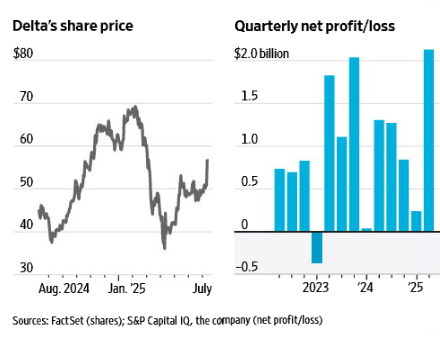
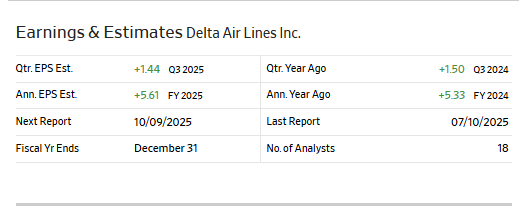
Delta, the first of the U.S. airlines to report results for the three months ended June 30, expects adjusted earnings per share of between $1.25 and $1.75 in the third quarter, compared with Wall Street analysts’ forecast for $1.31 a share. It also said it expects revenue that’s flat to up 4%, topping forecasts for a 1.4% sales increase.
Bookings have stabilized after a drop in demand earlier this year, CEO Ed Bastian said in an interview, though at lower levels than the airline forecast at the start of the 2025.
Delta expects adjusted full-year earnings of $5.25 to $6.25 a share, down from a forecast in January of more than $7.35 a share, when Bastian predicted 2025 would be the carrier’s best year ever.
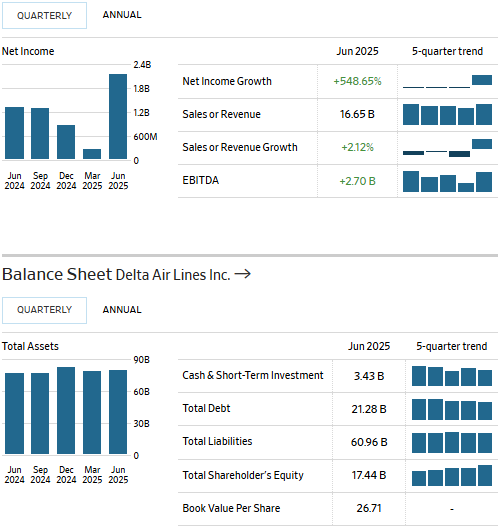
Delta posted strong growth from sales of higher-priced seats like first class and from its lucrative American Express partnership, which increased 10% in the second quarter from the same period last year to $2 billion. Airlines have become more reliant on travelers who are willing to spend more to fly rather than more price-sensitive consumers.
Corporate travel has also stabilized as Bastian said businesses have more clarity and confidence than they did earlier this year, but it’s in line with last year, not the 5% to 10% growth Delta expected at the start of the year.
While fares have dropped across the U.S., Delta’s premium-product revenue rose 5%, as sales from the main cabin fell 5% from last year. Its total revenue per seat mile, a measure of how much an airline is bringing in for the amount it flies, fell 4% in the second quarter.