Introduction
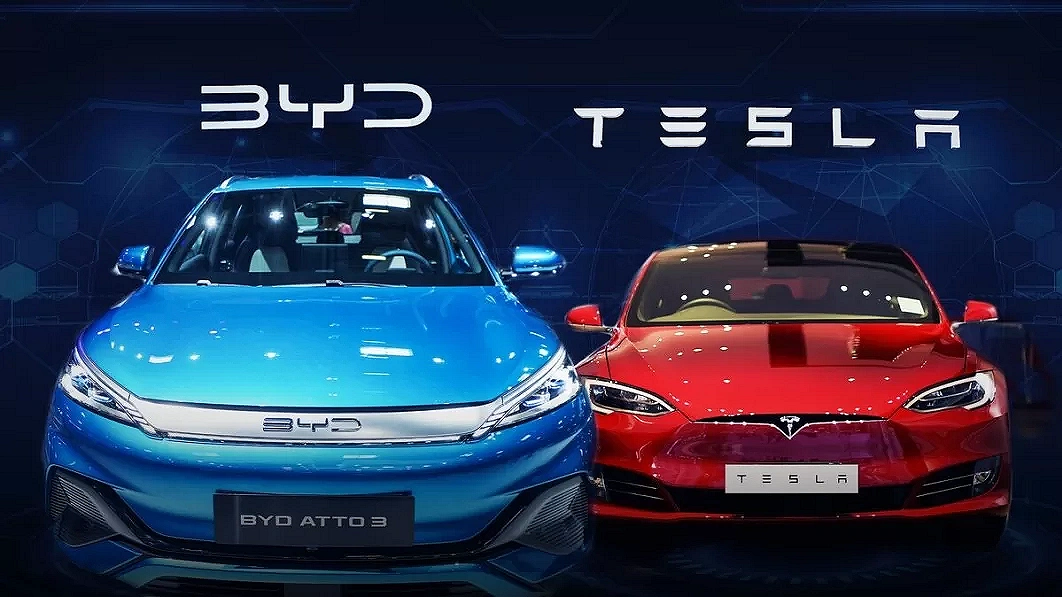
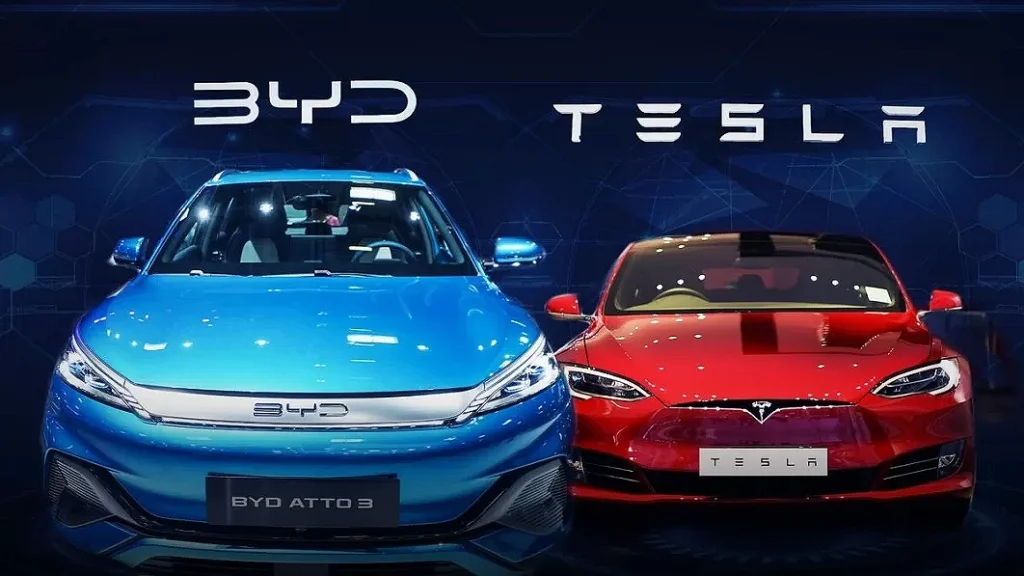
Tesla, once the dominant force in the global electric vehicle (EV) market, is facing increasing competition from Chinese automakers. One company, in particular, has emerged as a formidable rival: BYD (Build Your Dreams). With rapid advancements in technology, competitive pricing, and strong government support, BYD has gained significant market share, challenging Tesla’s supremacy in key regions, especially China.
Tesla’s Growth and Dependence on China
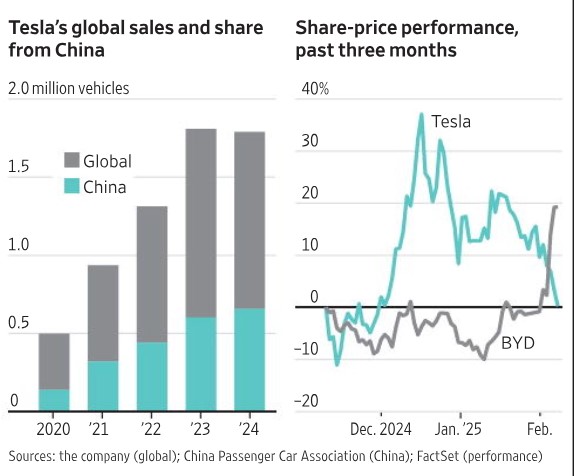
Over the years, Tesla has expanded its global sales, with China playing a crucial role in its success. The Chinese market has contributed substantially to Tesla’s revenue and production numbers. The company’s Gigafactory in Shanghai has been a cornerstone of its global supply chain, helping Tesla scale up production to meet rising demand. However, recent data suggests that Tesla’s share in China is shrinking as local competitors, particularly BYD, continue to rise.
The Rise of BYD
BYD has made significant strides in the EV market by offering affordable and technologically advanced vehicles. The company’s stronghold in battery technology, coupled with government incentives, has positioned it as a serious competitor to Tesla. Unlike Tesla, which primarily focuses on premium models, BYD provides a wider range of vehicles, catering to various customer segments. This strategy has enabled BYD to capture a broader market share, especially among price-sensitive consumers.
Recent trends indicate a shift in investor sentiment. Tesla’s stock has experienced volatility, with significant fluctuations in the past three months. Meanwhile, BYD’s share price has shown more stability, reflecting growing confidence in its market position. While Tesla’s stock surged briefly, it has faced downward pressure as concerns about competition, pricing strategies, and market saturation weigh on investor confidence.
Competitive Pricing and Market Strategies
One of BYD’s key advantages over Tesla is its competitive pricing. The company produces cost-effective EVs that appeal to a larger customer base, especially in developing markets. Tesla, on the other hand, has faced criticism for its pricing strategy, with some consumers viewing its vehicles as expensive compared to local alternatives. Additionally, BYD benefits from China’s local supply chains, reducing production costs and allowing for aggressive pricing strategies.
Challenges for Tesla
As Tesla navigates increasing competition, it faces several challenges:
- Market Saturation: The EV market is becoming more crowded, making it difficult for Tesla to maintain its growth trajectory.
- Production Costs: Unlike BYD, Tesla relies on a global supply chain, which makes it more vulnerable to geopolitical tensions and cost fluctuations.
- Government Policies: Chinese government policies favor domestic automakers, providing them with subsidies and incentives that Tesla does not always receive.
- Product Line Expansion: While Tesla focuses on a few high-end models, competitors like BYD offer a broader range of vehicles, increasing their market appeal.
Discover market opportunities with the latest company analysis and ratings! 📈💡
📥 Download now Tesla Q4 2024 valuation make smarter decisions!https://www.growthvaluation.com/download-category/evaluations/