Losers: The Biggest Exporters to China
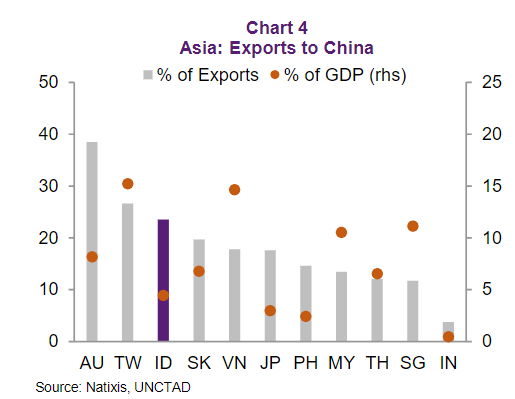
The chart highlights Australia, Taiwan, and Indonesia as the largest exporters to China. These countries are likely to experience the most direct impact from the tariffs, as a slowdown in China’s economy could reduce demand for their exports.
- Australia: Australia exports a substantial portion of its goods to China, with commodities such as iron ore, coal, and natural gas being major exports. A potential slowdown in China’s industrial output due to reduced trade with the U.S. could lower demand for Australian raw materials, affecting mining revenues and overall economic growth.
- Taiwan: Taiwan’s economy is heavily reliant on technology exports, many of which are linked to China’s manufacturing sector. If China’s production slows down due to higher tariffs, Taiwan’s semiconductor and electronics industries could suffer, as they supply key components for Chinese manufacturers.
- Indonesia: Indonesia’s economy is linked to China through exports of raw materials like palm oil, coal, and rubber. A decline in China’s manufacturing and infrastructure spending due to reduced trade with the U.S. could weaken demand for these commodities, impacting Indonesia’s trade balance.
Potential Winners
While some countries may suffer from reduced trade with China, others may stand to benefit as supply chains shift and businesses seek alternatives to Chinese suppliers.
- Vietnam: Vietnam has been one of the biggest beneficiaries of the U.S.-China trade war. With companies diversifying their supply chains away from China, Vietnam has become an attractive alternative for manufacturing. Increased foreign investment and trade diversification could boost its economy.
- India: India has the potential to capture some of China’s market share in certain industries, particularly in textiles, pharmaceuticals, and technology services. As companies seek to reduce reliance on Chinese manufacturing, India could attract new investments.
- Malaysia & Thailand: These nations have strong electronics and automotive industries. As multinational companies seek to bypass tariffs on Chinese goods, Malaysia and Thailand could see an increase in foreign investment and manufacturing activity.
Our opinion
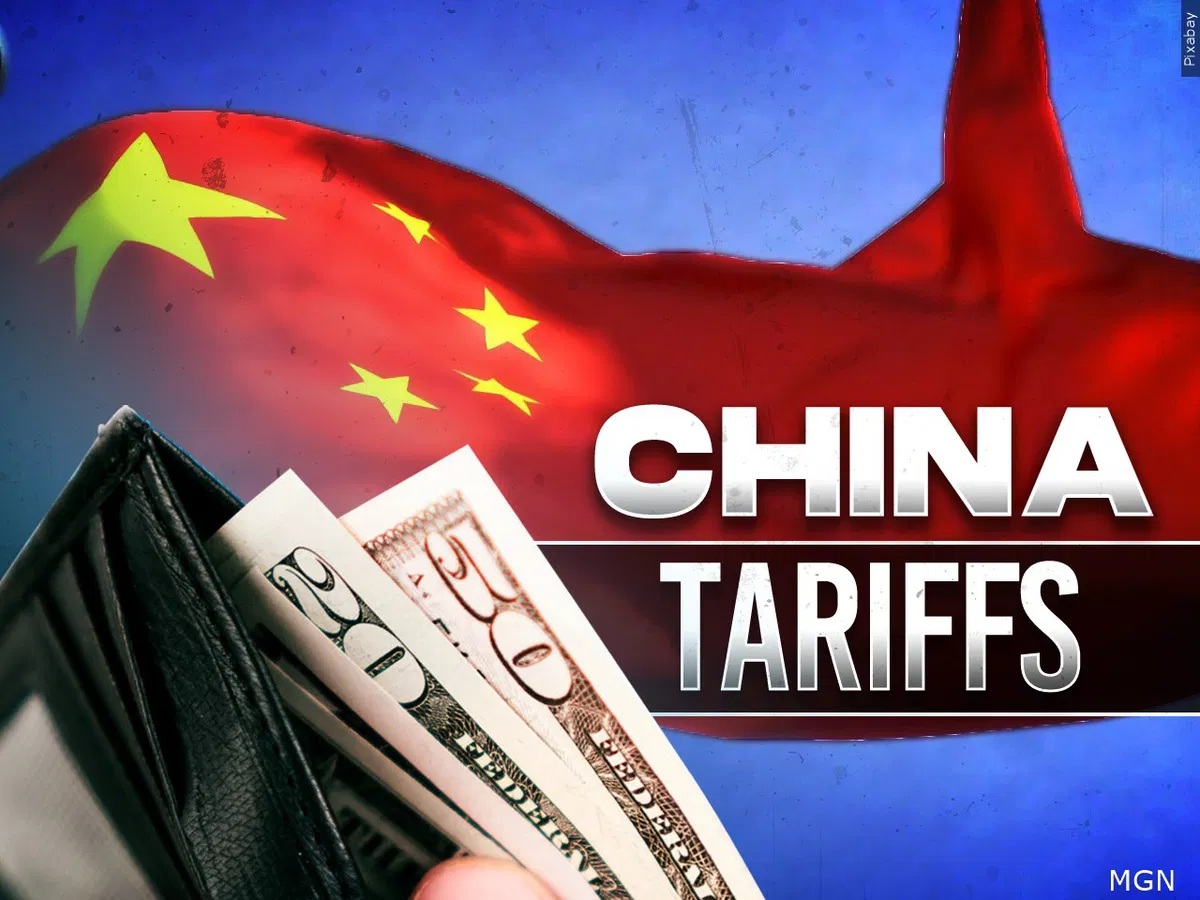
The imposition of tariffs on China by the Trump administration creates both challenges and opportunities for Asian economies. Countries heavily dependent on exports to China, such as Australia, Taiwan, and Indonesia, may face economic headwinds due to decreased Chinese demand. Meanwhile, nations like Vietnam, India, and Malaysia could benefit as businesses shift their supply chains away from China.
Ultimately, the long-term impact will depend on how trade dynamics evolve and whether China’s economy can withstand the pressure of U.S. tariffs. Countries that successfully adapt to the changing trade environment will emerge as winners, while those heavily reliant on Chinese trade may struggle to adjust.